
Delivering the Evidence People Need for Better Health Decisions
Reimagining Science Communication
Building Bridges
About Eviva Partners
Two Pillars, One goal: Reducing the “Decision Gap”
We are both a Think Tank and a Research Institution.
The two pillars work hand-in-hand. We cannot advance research projects without developing the theoretical framework. And the framework cannot be tested and refined without reduction to practice.
Building the Case: “Trust in the Public” Think Tank
In focus groups we conducted among vaccine-hesitant Americans, several African-American mothers posed the same question: have childhood vaccines been studied in people of color? The answer is unfortunately Not well, as anyone using Google or another AI platform will quickly discover*. Clinical trials in general, and of childhood vaccines in particular, have not been representative. Vaccine safety databases do not reliably capture race and ethnicity. Methodologies surely exist to close this evidence gap through retrospective analyses. Yet it remains unaddressed. Why?
Vaccine hesitancy is just one example of a worrisome trend: a growing portion of the public is rejecting tremendous advances in prevention, diagnosis and treatment of disease, collectively referred to as evidence-based practices, from cancer screening to blood pressure and diabetes control. Some of the gap is due to lack of access or quality lapses. In contrast, we are focused on what we call the “decision gap” - purposeful choices, unsupported by evidence, made by the patient and/or the clinician.
We believe that the root cause of at least some of the decision gaps is insufficient evidence. The body of evidence may be adequate for a regulator or a provider, but still not sufficient for the patient given their individual values and worldviews.
*https://jamanetwork.com/journals/jamanetworkopen/fullarticle/2776562
https://www.ajpmonline.org/article/S0749-3797(23)00345-8/abstract
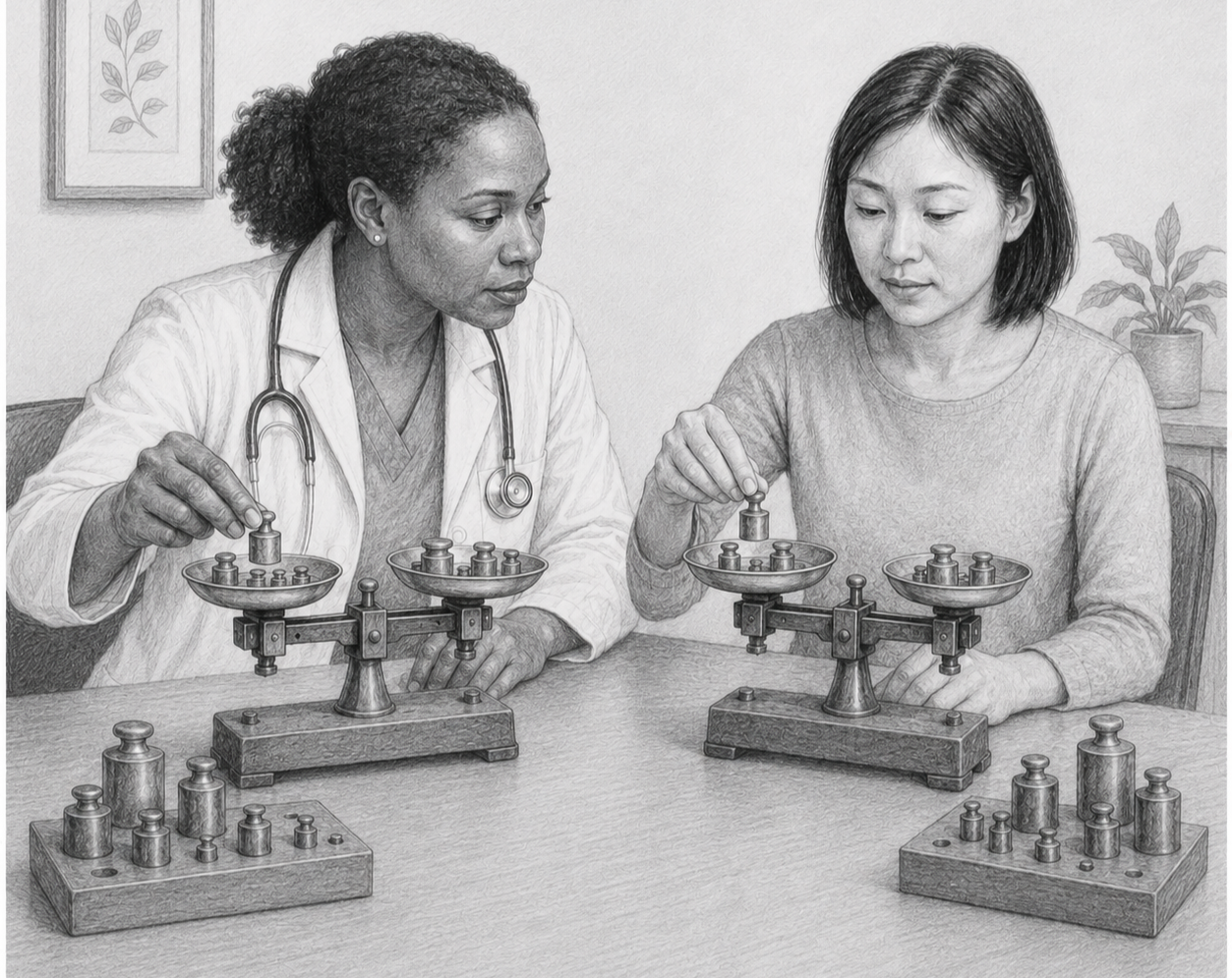
“Science Should Trust the Public”
In the “Trust in The Public” Think Tank, we are developing the broad theoretical framework that is currently lacking to support a public-responsive evidence generation approach.
We believe that science needs to change, not the public. We are striving towards better decisions, not behavior change. We are asking for science to trust the public, not for the public to trust science. And, we aim to engage with the publics “that even those who do participatory science are not engaging with.”
Translating into Action: Question-to-Evidence Cycle
We start by characterizing the public’s health-related questions through focus groups and online surveys. Surprisingly, this has never been done. Even the methodology does not yet exist - we are developing it now. The goal is to extend our initial observations to validate the hypothesis that certain individuals:
Have unanswered health-related questions that are scientifically valid and values-driven, yet preserve fidelity to science;
Truly understand the scientific meaning of these questions
Correctly perceive gaps in evidence, and are therefore not satisfied with answers that exist today;
Are not accepting certain interventions (vaccines, medications, etc) until they get their questions answered.
May respond positively to acknowledgement, and even more so to new evidence.
“Developing Novel Methodology to Characterize Unanswered Questions that Prevent Optimal Health Decisions”
We are refining this methodology on already completed focus groups, and are planning the next round of focus groups and surveys.
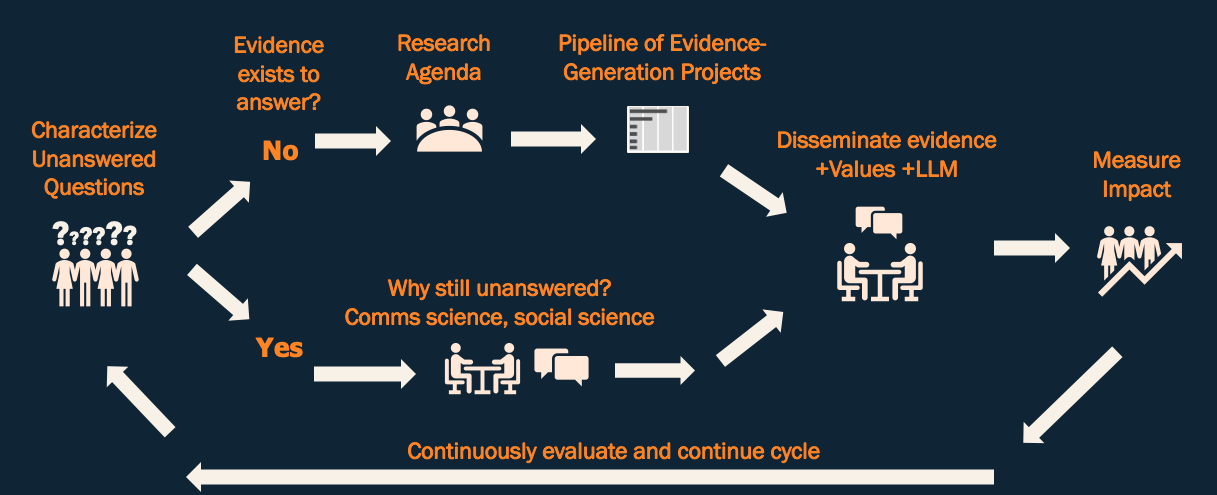
In parallel, we are building a pipeline of evidence-generation projects. We then deliver the evidence to the public, and measure the impact.
The goal is to develop a portable playbook that can be applied to various areas of public importance.

Our Approach
-
Concepts of concern, perception and belief imply an entrenched view that needs to be countered.
In contrast, a question implies no judgement or conflict - it simply needs an answer.
Yet, there are practically no published studies characterizing the unanswered questions among the public, including providers; why they remain unanswered, and what answering them might achieve.
Eviva begins by mapping or “crowdsourcing” Unmet Evidence Needs among the public and healthcare providers.
Where strong evidence already exists, it will be synthesised and disseminated through communication campaigns that make the science accessible and relatable.
Where evidence truly does not exist or remains uncertain, new studies will be commissioned using rigorous, transparent methods.Eviva is firewalled from the design, conduct, analysis, and reporting of these projects to preserve independence, while ensuring adherence to research best practices:
i. Pre-registration and timely publication of all results.
ii. Oversight by qualified, independent experts.
iii. Inclusion of diverse study populations, with stratified analyses where possible.Both existing and newly generated evidence is disseminated, and its impact is measured.
-
We propose that existing evidence may be sufficient for regulators and providers, but not sufficient for some individuals given their values and worldviews.
Answering their questions (which may require generating new evidence) will support better decisions.
Eviva’s approach is to distinguish between:
Areas where strong evidence already exists but has not been effectively conveyed, and
Areas where a genuine evidence gap remains, meriting further study
Our goal is to map these public unmet evidence needs and address them through a dual approach:
Science communication—clarifying and contextualising existing evidence.
Targeted evidence generation—commissioning new studies only where biologically plausible and methodologically feasible.
-
In our work, we are guided by Elder Marshall’s Two-Eyed Seeing Approach as a way of bridging worldviews through respect in partnership.
Our color scheme is reflective of the “Medicine Wheel” - Black, Red, Yellow and White - a powerful symbol of balance and unity forming the basis of Indigenous healing in the Mi’kmaq and other American Indian traditions.
We are focused on delivery: identifying gaps, addressing them and measuring impact.
We are supported by individual donors and private philanthropic foundations that share our values. We do not accept industry funding, ever.
Eviva Team & Board of Directors
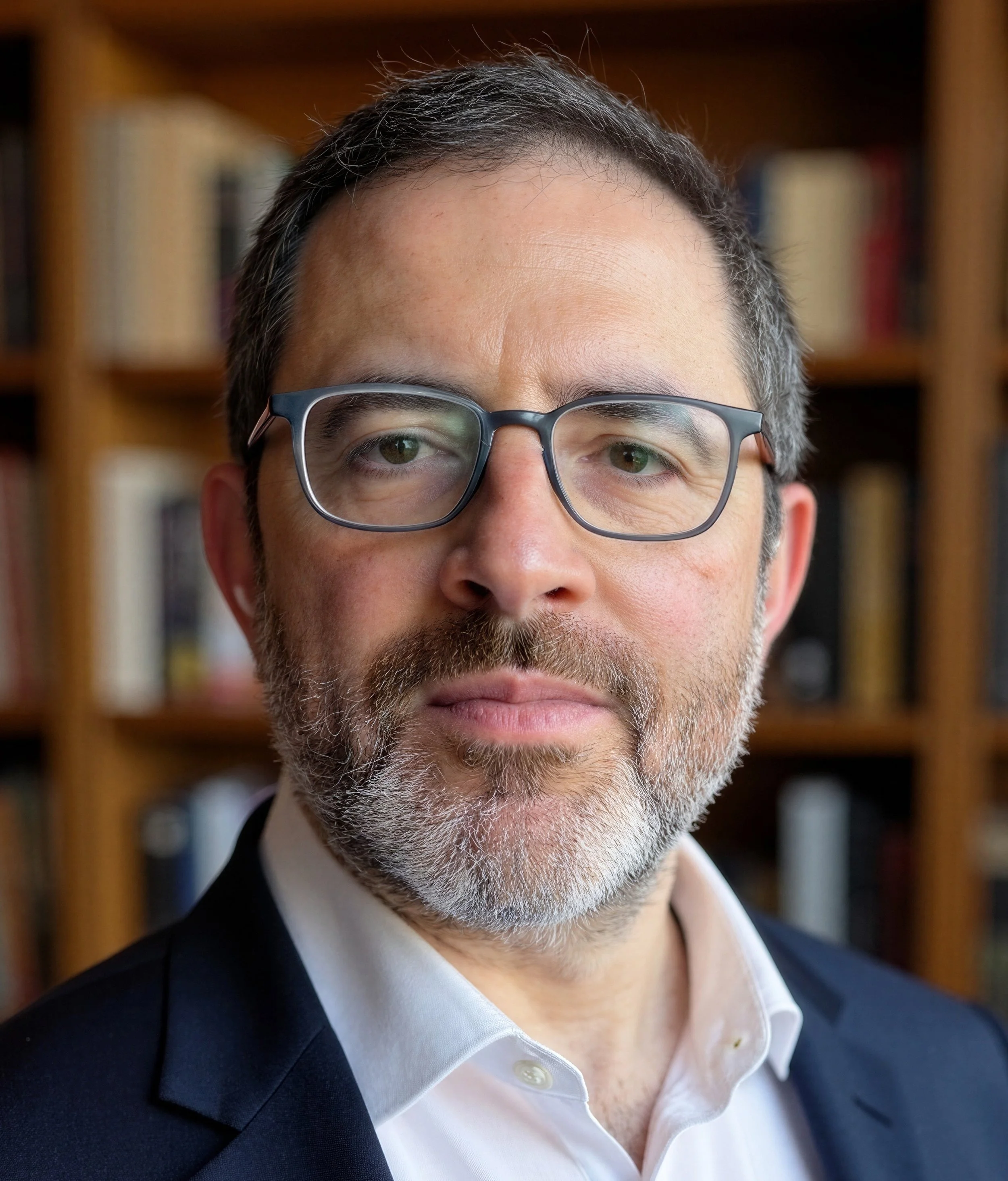
Alex Morozov
CEO, Founder
Alex Morozov is a physician-scientist, drug developer and a writer with a passion for improving health outcomes. He spent about 15 years in the pharmaceutical industry overseeing hundreds of clinical trials of new cancer treatments. While writing a book about medical evidence, he met Elder Marshall who inspired him to start Eviva.
-
Alex obtained his undergraduate degree from MIT, followed by combined MD-PhD training at Albert Einstein College of Medicine in New York. After completing internal medicine residency at Columbia-Presbyterian and medical oncology fellowship at Memorial Sloan-Kettering Cancer Center in New York, Alex was recruited by a friend to join the pharmaceutical industry. Over his 15-year drug development career, Alex has designed, conducted and overseen hundreds of clinical trials, leading to regulatory approval of several new cancer therapies by the FDA and other health authorities around the world. Following his interest in data and digital innovation, he led teams developing and implementing new technologies to accelerate clinical trials, address health inequity, and improve outcomes. In 2024, Alex left pharma to start Eviva.
Ashley Anderson
University of North Carolina
Ashley Anderson is Professor of Political Science at the University of North Carolina, Chapel Hill. A specialist in comparative politics, her research interests include contentious politics, authoritarian regimes, and vaccine hesitancy in minority populations.
-
Dr Anderson is working on a book on variation in union responses to political movements in authoritarian regimes. In addition to this work, newer research projects examine the dynamics of opposition movements in authoritarian regimes more broadly, with applications to state-mobilized contention and Islamist party success
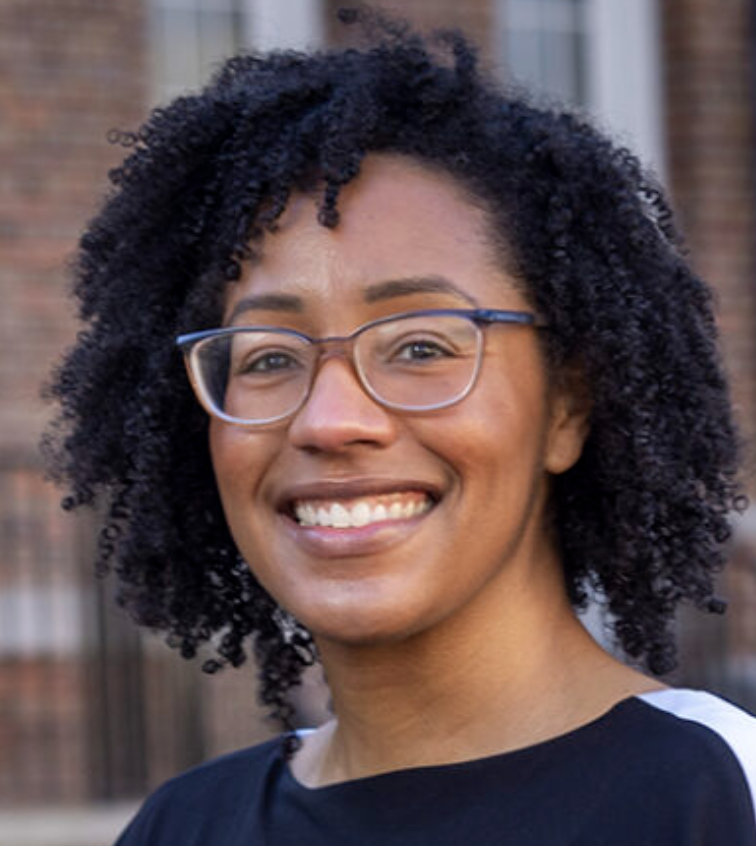
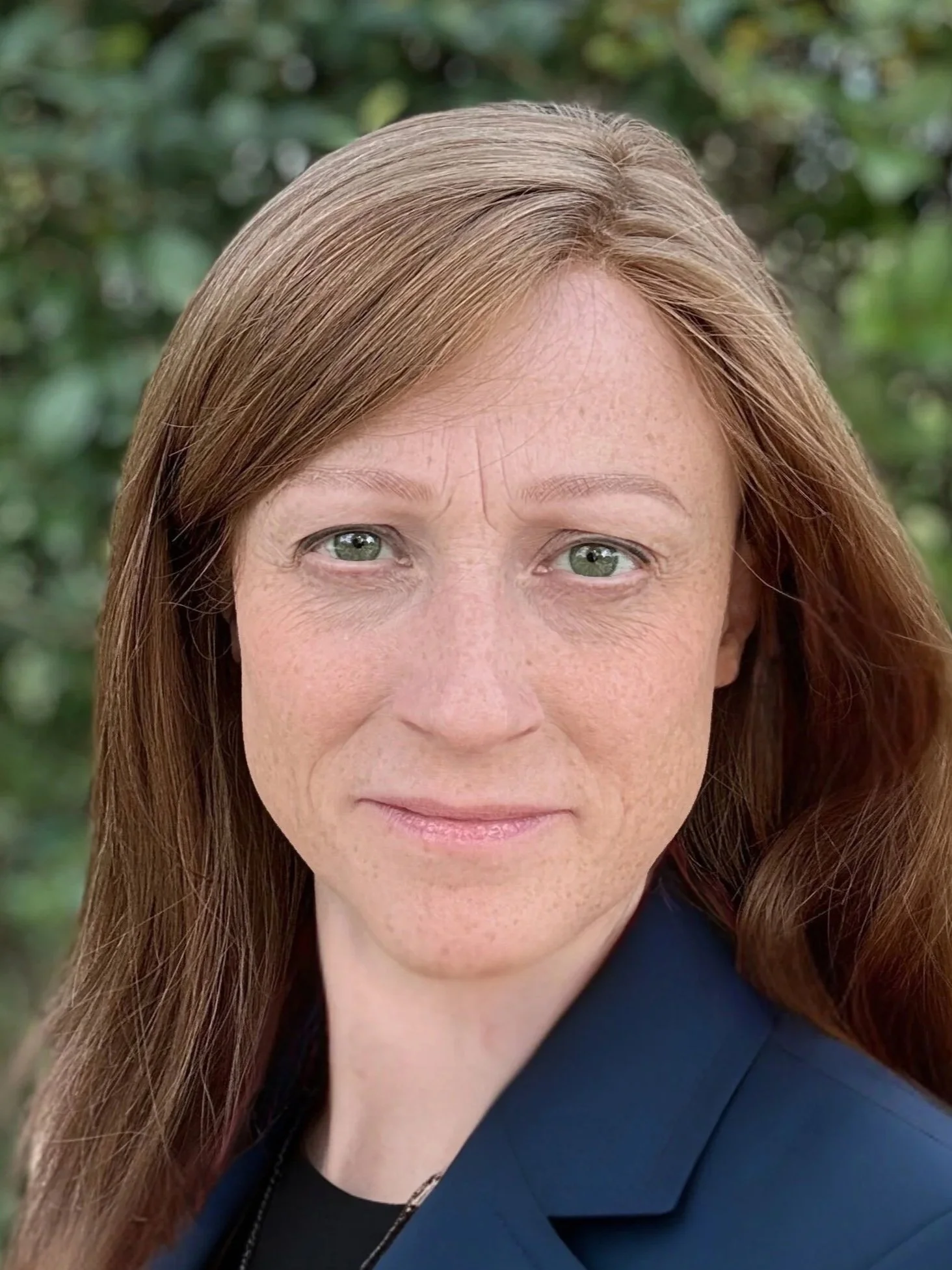
Julie Williams
Executive Director
Julie Williams brings over 12 years of experience from Abt Global where she specialized in evaluating large-scale social programs. Julie has a robust background in designing and implementing evaluations and is proficient in quantitative and qualitative research methodologies, data collection and management, and analysis techniques.
-
Julie’s expertise extends to managing multi-million-dollar projects, client relations, report writing, and dissemination of findings. She holds a Master of Public Policy from Georgetown University. When she’s not working, you’ll find Julie browsing the shelves of the local bookstore, taking her youngest to the park, or cheering on her eldest’s softball team.
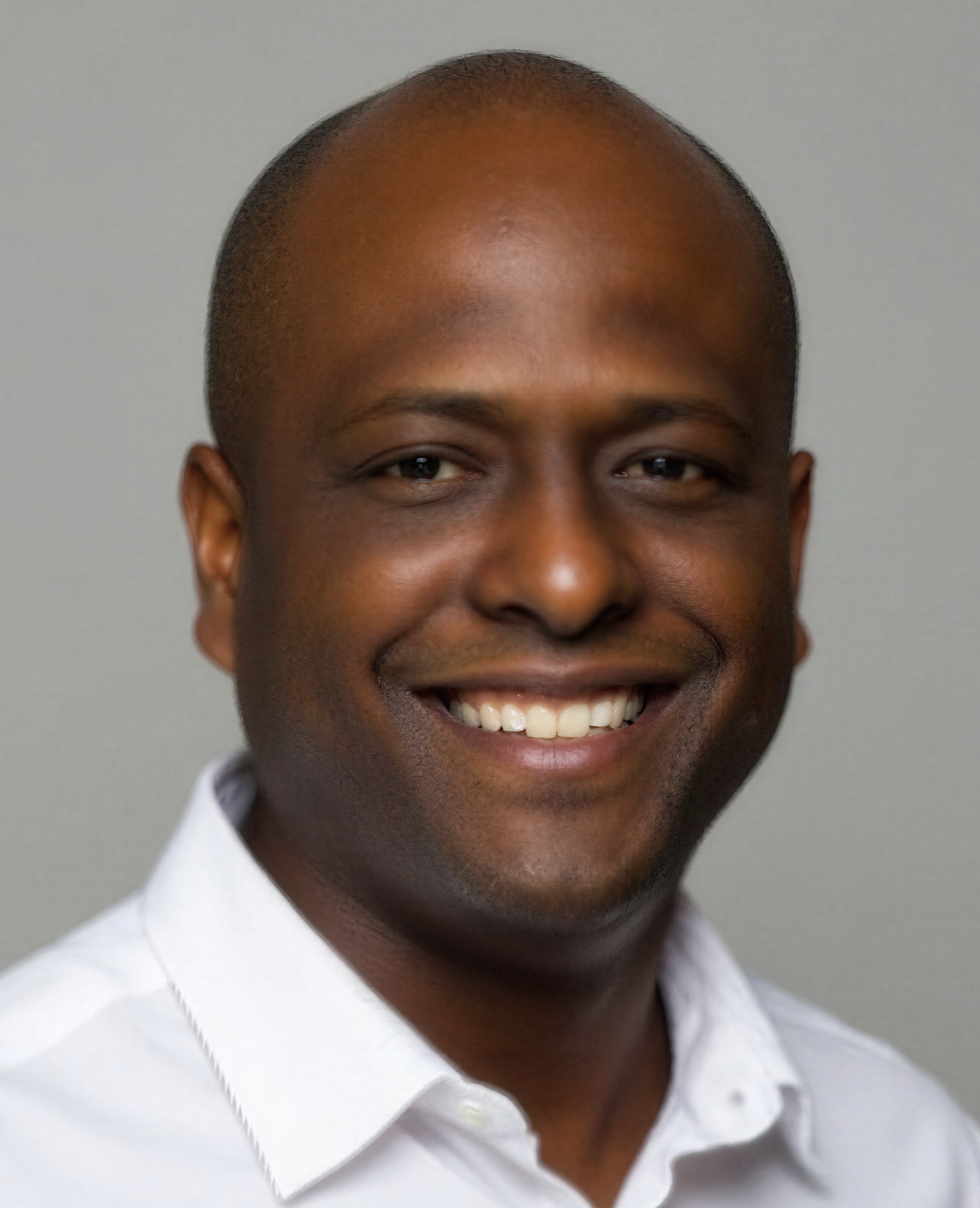
Michael Holmes
High School of American Studies
Michael Holmes teaches science at The High School of American Studies at Lehman College, a specialized high school in New York City and one of the top public schools in the US. He obtained a Master’s degree based on his research at the Environmental Protection Agency, Albert Einstein College of Medicine and the Population Council.
-
Bridging the gap between applied science and classroom learning has lead Mr. Holmes in garnering numerous awards. He is the recipient of NYC Teaching Fellowship, Sloan Award for Excellence in Teaching Science and Mathematics by the Fund for the City of New York, An Astor Fellowship at NYU and a runner-up for the Mueller Award in teaching sponsored by Math For America. He served as the lead chemistry teacher in the College Now program at Bronx Community College.
-
Elder Marshall is from the Moose Clan of the Mi’kmaw Nation; he lives in the community of Eskasoni in Unama’ki – Cape Breton, Nova Scotia. He is the recipient of multiple Honorary Doctorates (Cape Breton University, Acadia University, Humber College) and numerous other awards, including the Order of Canada (2023).
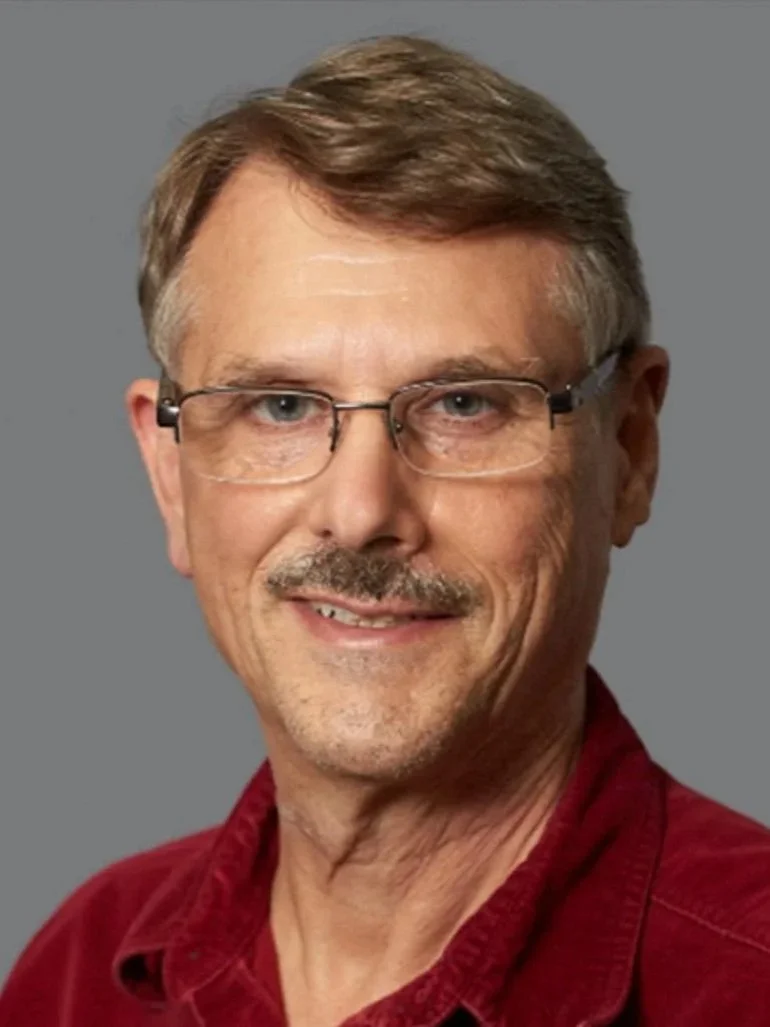
Gordon Guyatt
McMaster University
Dr. Gordon Guyatt is a Distinguished Professor in the Department of Health Evidence and Impact at McMaster University. He coined the term “evidence-based medicine” (EBM) in 1991, and since then has been a leading advocate of evidence-based approaches to clinical decision-making. He is one of the world’s most-cited living scientists.
-
Dr Guyatt was the lead editor for the “Users’ Guides to the Medical Literature,” a guide aimed at helping clinicians integrate the principles of evidence-based medicine into their clinical practice. He also played a key role as the lead methodologist in the creation of 19 COVID-19 guidelines, which were developed in partnership with the World Health Organization. “GRADE” refers to a systematic approach to rating the quality of evidence and grading strength of recommendation that Dr Guyatt played a key role in developing and is now used by over 110 organizations worldwide including the WHO, the Cochrane Collaboration, and UpToDate.
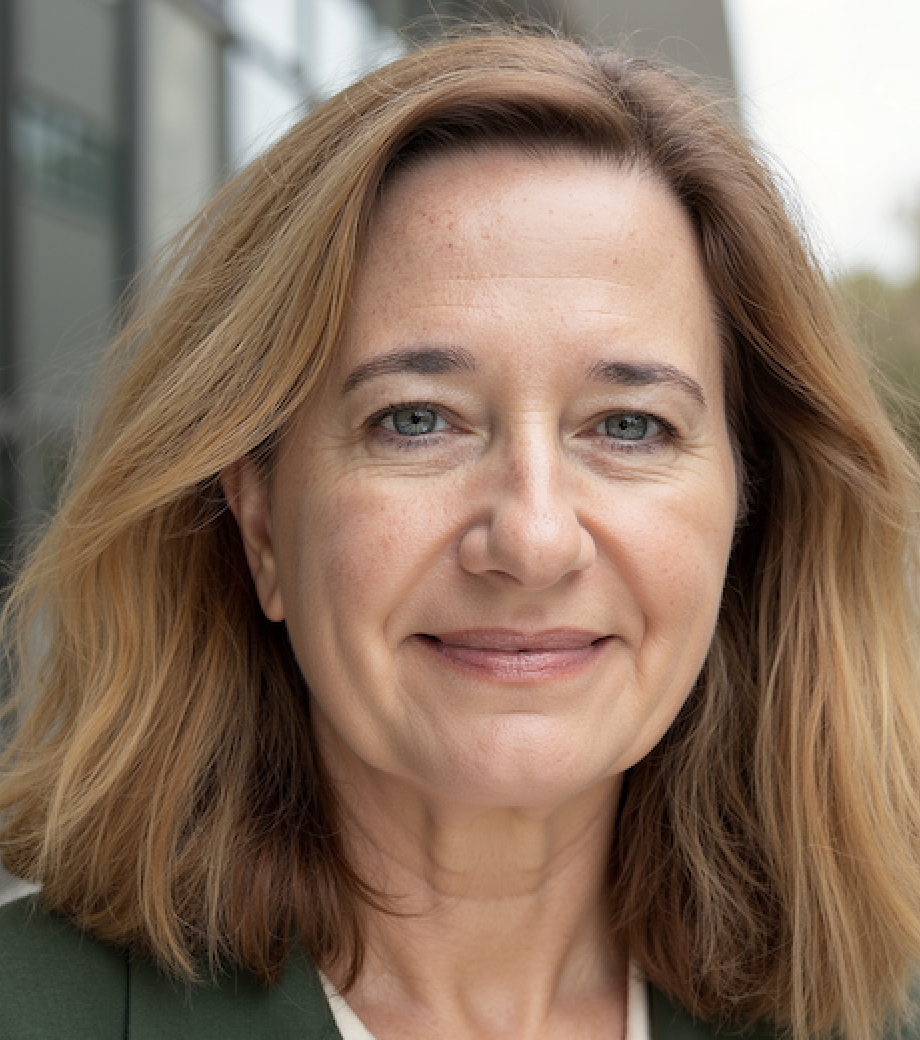
Helen Petousis-Harris
University of Auckland, NZ
Dr Petousis-Harris is a Vaccinologist, Co-Director of the Global Vaccine data Network, Director of the Vaccine Datalink and Research Group (VADAR), and Associate Professor, in the School of Population Health at Waipapa Taumata Rau, University of Auckland. Her main research areas are vaccine safety and vaccine real-world evidence.
-
Dr Petousis-Harris trained in biological sciences and molecular medicine prior to moving into vaccines and vaccination. She has been involved in immunisation-related research in New Zealand since 1998, encompassing clinical, social science, epidemiological, and health systems research. Her main research areas are vaccine safety and vaccine real-world evidence. She is a previous Chair of the World Health Organization Global Advisory Committee on Vaccine Safety (GACVS). She serves as a media spokesperson on vaccines and vaccination, as well as a science communicator.
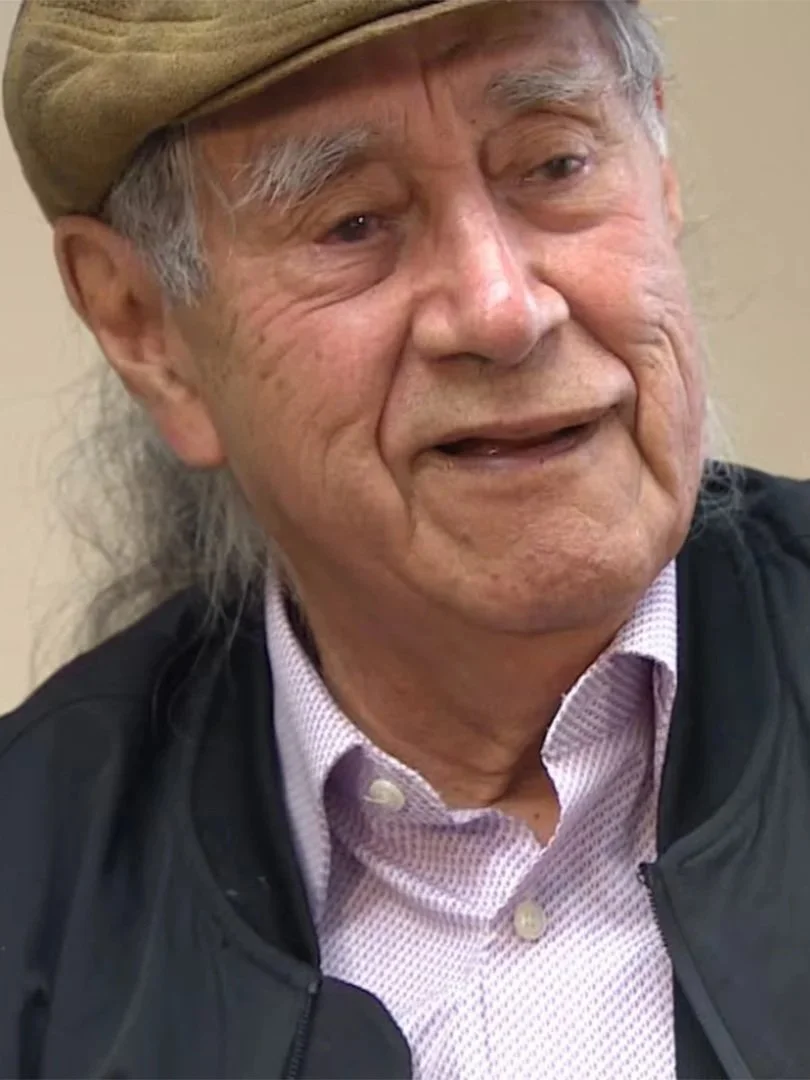
Elder Albert Marshall
Mi’kmaw Nation
Dr Elder Albert Marshall is the author of the “Etuaptmumk/Two-Eyed Seeing” methodology, a guiding principle for the co-learning journey of different cultural knowledges working together. This approach has been the subject of hundreds of publications and has been adopted by researchers and government agencies around the world.